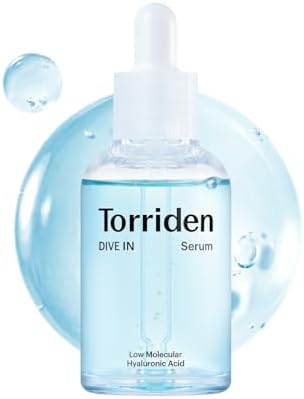
Torriden DIVE-IN Serum Review: The Hyaluronic Acid Serum TikTok Won't Stop Talking About
Most hyaluronic acid serums use one molecular weight and call it a day. Torriden's version layers five, and the difference actually shows up on skin.

Most hyaluronic acid serums use one molecular weight and call it a day. Torriden's version layers five, and the difference actually shows up on skin.

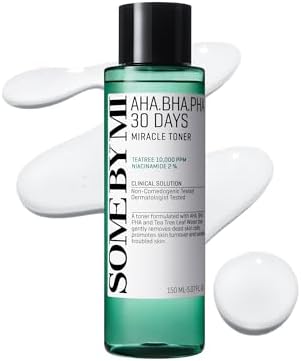
It has a cult following and an equally loud group of people warning you about the 'purge.' Here's what a triple-acid toner actually does and how to introduce it without wrecking your barrier.

numbuzin built an entire brand around numbered, problem-specific serums instead of one do-everything formula. No.3 is the one for texture and pores — here's what's actually in it.

Before 'glass skin' was a trend, it was a marketing claim from this exact bottle. Here's whether a 97% fermented-yeast essence still holds up against a decade of newer competition.

Most vitamin C serums pick a fight with sensitive skin. Klairs built theirs around not doing that, without giving up on actually brightening — here's whether that trade-off holds up.

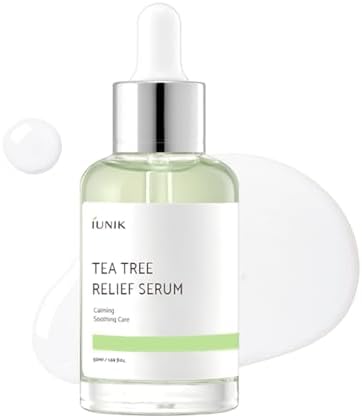
iUNIK's centella-and-tea-tree ampoule is built for the specific overlap between 'breaking out' and 'irritated' — two things that usually need opposite ingredients. Here's how it threads that needle.

This serum practically defined mid-2010s K-beauty in the West. It's been reformulated since, now with hyaluronic acid and niacinamide added — here's whether the update actually improved it.

Everything on this site so far has been Korean — this is the J-beauty hyaluronic acid toner that's been a pharmacy staple in Japan for over a decade, reformulated into a 'Premium' tier.

SoonJung is Etude's sensitive-skin sub-line, built to be the moisturizer you reach for when your skin has rejected everything else this month. Here's whether the minimalism actually pays off.

It's the serum that shows up in every 'K-beauty starter kit' TikTok, and for once the reason isn't just packaging. Here's what rice extract and alpha-arbutin actually do for uneven tone.

Round Lab built its name on minimalist, pH-balanced formulas for sensitive skin — this sunscreen applies that same philosophy to SPF, with birch sap and PDRN instead of a typical sunscreen base.

Centella asiatica shows up in half of K-beauty's calming products, and this ampoule is the one that made SKIN1004 a household name outside Korea. Here's whether the 'cica' hype is justified.

It went from a niche Korean pharmacy staple to one of the most-searched skincare products on TikTok. Here's what heartleaf (Houttuynia cordata) actually does and who it's worth buying for.

It's the single most-repurchased K-beauty product in the West for a reason — a low-commitment, high-payoff way to try Korean skincare without overhauling your routine.

Korean sunscreens built their reputation on one thing: disappearing into skin instead of sitting on top of it. Here's why they work differently, and which formulas are actually worth reordering.

It's the most-recommended essence in K-beauty and the one most people are quietly grossed out by before they try it. Here's what it actually does, who it's for, and where it fits in a routine.
Everyone name-drops the '10-step routine' but almost nobody explains why each step exists or which ones you can skip. Here's the order, the reasoning, and how to build a version that fits your actual skin.